Automation Vs Human Labor

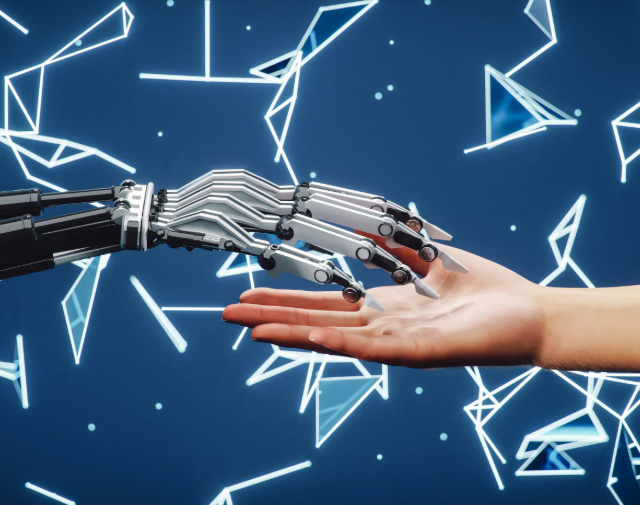
The increasing prevalence of automation in various industries raises significant questions about its implications for human labor. Studies indicate that while automation can enhance productivity, it often leads to job displacement in traditional sectors. Moreover, human workers possess unique attributes such as creativity and emotional intelligence, which machines cannot replicate. As organizations grapple with these dynamics, the challenge lies in determining how to integrate automation without undermining the value of human contributions. What strategies might bridge this gap?
The Rise of Automation in the Workplace
As industries increasingly adopt advanced technologies, the rise of automation in the workplace has become a defining trend of the modern economy.
Robotic efficiency enhances productivity but also raises concerns about job displacement. Data indicates that sectors integrating automation witness significant reductions in labor needs, prompting a reevaluation of workforce dynamics.
This shift necessitates a careful balance between technological advancement and preserving employment opportunities.
See also: thiramala
Advantages of Human Labor
Human labor remains a vital component of the workforce, offering distinct advantages that automation cannot fully replicate.
Its capacity for creativity enhancement allows for innovative problem-solving, while emotional intelligence facilitates nuanced interactions and empathetic responses.
These attributes enable human workers to adapt to complex situations, fostering collaboration and understanding, which are essential for a dynamic work environment that values individual freedom and expression.
The Impact of Automation on Employment
How significantly does automation reshape employment landscapes? Automation leads to substantial job displacement across various sectors, necessitating a reevaluation of workforce dynamics. As traditional roles diminish, the emphasis on skill retraining becomes crucial for affected workers. Data indicates that industries embracing automation often require new competencies, highlighting the urgent need for educational initiatives to equip individuals for emerging opportunities in a rapidly evolving job market.
Finding a Balance: Collaboration Between Machines and Humans
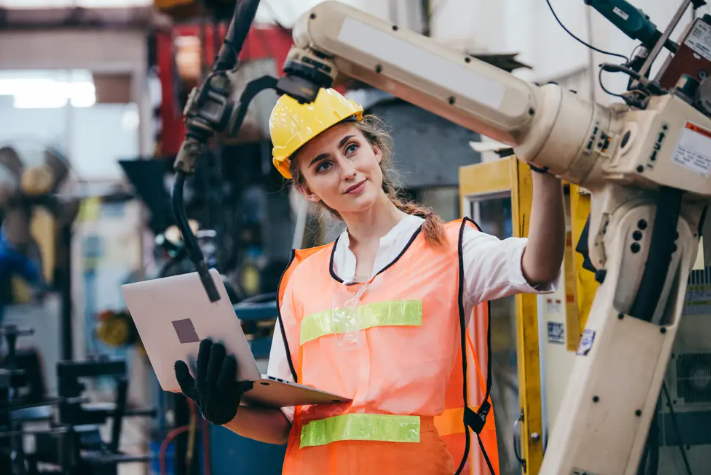
While the rise of automation presents challenges to traditional employment, it also opens avenues for collaboration between machines and humans that can enhance productivity and innovation.
Collaborative workflows leverage machine assistance to streamline tasks, allowing human workers to focus on complex problem-solving and creative decision-making.
This synergy not only improves efficiency but also fosters an environment where both human ingenuity and technological advancements can thrive.
Conclusion
In navigating the complexities of automation versus human labor, it is essential to recognize that both elements can coexist for a productive future. While machines may streamline efficiency, the human touch remains irreplaceable in fostering creativity and emotional connections. As industries evolve, the challenge lies in not throwing the baby out with the bathwater; instead, fostering collaboration between technology and human workers can lead to sustainable employment practices and enhanced innovation. Balancing these forces will be key to future success.