How NFT Royalties Work

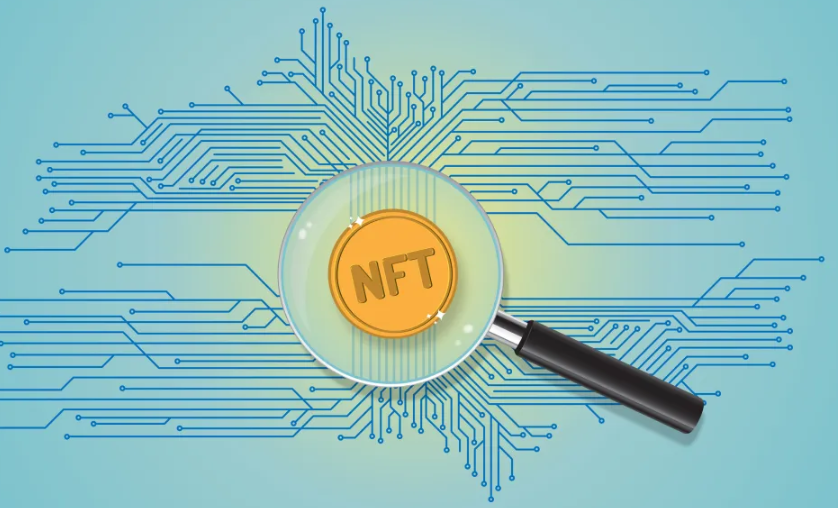
NFT royalties represent a significant innovation in the digital art market. They leverage blockchain technology to ensure that creators receive a percentage of sales whenever their work is resold. This system not only promotes fairness but also establishes a sustainable revenue model for artists. Understanding the mechanics behind NFT royalties can illuminate their impact on both creators and collectors. What implications do these royalties have for the future of digital art transactions?
What Are NFT Royalties and Why Do They Matter?
Although often overlooked, NFT royalties play a crucial role in the digital art landscape by ensuring that creators receive ongoing compensation for their work.
This royalty structure allows artists to benefit from secondary sales, fostering a sense of digital ownership.
See also: thiramala
How Are NFT Royalties Paid?
NFT royalties are typically paid through smart contracts embedded in the blockchain when an NFT is sold on a marketplace.
These automated agreements ensure seamless royalty distribution to creators, utilizing various payment methods like cryptocurrency transfers.
This efficient process empowers artists and enhances transparency, allowing them to benefit from secondary sales without intermediaries, thus promoting a more liberated and equitable digital art ecosystem.
Why Are NFT Royalties Great for Artists and Collectors?
How do NFT royalties enhance the relationship between artists and collectors?
These royalties provide significant artist benefits, ensuring creators receive ongoing compensation through secondary sales. This incentivizes artists to produce quality work, fostering a sustainable creative ecosystem.
For collectors, the potential for increased value over time serves as collector incentives, creating a mutually beneficial dynamic that encourages investment and supports artistic innovation.
Essential Factors to Evaluate When Purchasing NFTS With Royalties
When considering the purchase of NFTs with royalties, several essential factors demand careful evaluation. Buyers should analyze the royalty structures implemented by creators, as these dictate potential returns.
Additionally, staying informed about market trends is crucial, as they can influence demand and value. Understanding these elements enables informed decisions, ensuring that investments align with personal values and financial goals in the evolving NFT landscape.
Conclusion
In conclusion, NFT royalties represent a transformative shift in how artists monetize their work, ensuring ongoing compensation through smart contracts. This system not only benefits creators but also enhances the collector’s experience by adding value to their investments. Interestingly, a study found that artists can earn up to 10% of resale values over time, underscoring the potential for sustained income. As the NFT market continues to evolve, understanding royalties will be crucial for both artists and collectors alike.