How to Improve Drainage Around Your Home

Improving drainage around a home is a critical task that often goes overlooked. Homeowners must first evaluate their existing drainage systems to identify weaknesses and areas prone to water accumulation. Effective grading techniques can then be employed to redirect water away from foundations. Additionally, the installation of specialized drainage solutions may be necessary. However, without regular maintenance, even the best systems can fail. Understanding these elements is essential for protecting a property from potential water damage.
Assessing Your Current Drainage System
Before implementing any improvements, one must first evaluate the existing drainage system to identify potential deficiencies.
A comprehensive drainage assessment involves inspecting for areas of water pooling, which can indicate inadequate flow or obstructions.
See also: thiramala
Implementing Effective Grading Techniques
Effective grading techniques play a crucial role in enhancing drainage around a home by directing water away from the foundation.
Employing various grading methods, such as slope adjustments, ensures that the terrain facilitates proper runoff. Homeowners can achieve optimal results by carefully evaluating the land’s natural contours and making necessary modifications, thus promoting a dry, stable environment and protecting their property from water damage.
Installing Drainage Solutions
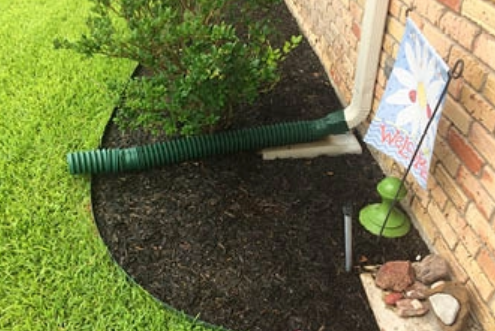
While effective grading is essential, installing drainage solutions is equally vital for managing water around a home.
Homeowners should explore various drainage options, such as French drains, swales, and dry wells, which can be seamlessly integrated into landscape design.
These solutions not only enhance functionality but also contribute to aesthetic appeal, ensuring that water is efficiently redirected away from the foundation.
Maintaining Your Drainage System
Regularly inspecting and maintaining a drainage system is crucial to ensure its long-term effectiveness and functionality.
Routine inspections should focus on identifying blockages, assessing water flow, and checking for structural integrity.
Implementing a robust drainage maintenance schedule not only prevents costly repairs but also enhances the system’s resilience against weather extremes, granting homeowners the peace of mind to enjoy their surroundings without concern for flooding.
Conclusion
In conclusion, enhancing drainage around a home is akin to fortifying a castle against the relentless tides of time. By meticulously assessing the existing drainage system, implementing precise grading techniques, and installing effective drainage solutions, homeowners can safeguard their property from water-related damage. Regular maintenance acts as the vigilant watchman, ensuring the system remains robust. Ultimately, a well-executed drainage strategy not only protects the home but also preserves its integrity for generations, standing resilient against nature’s whims.